

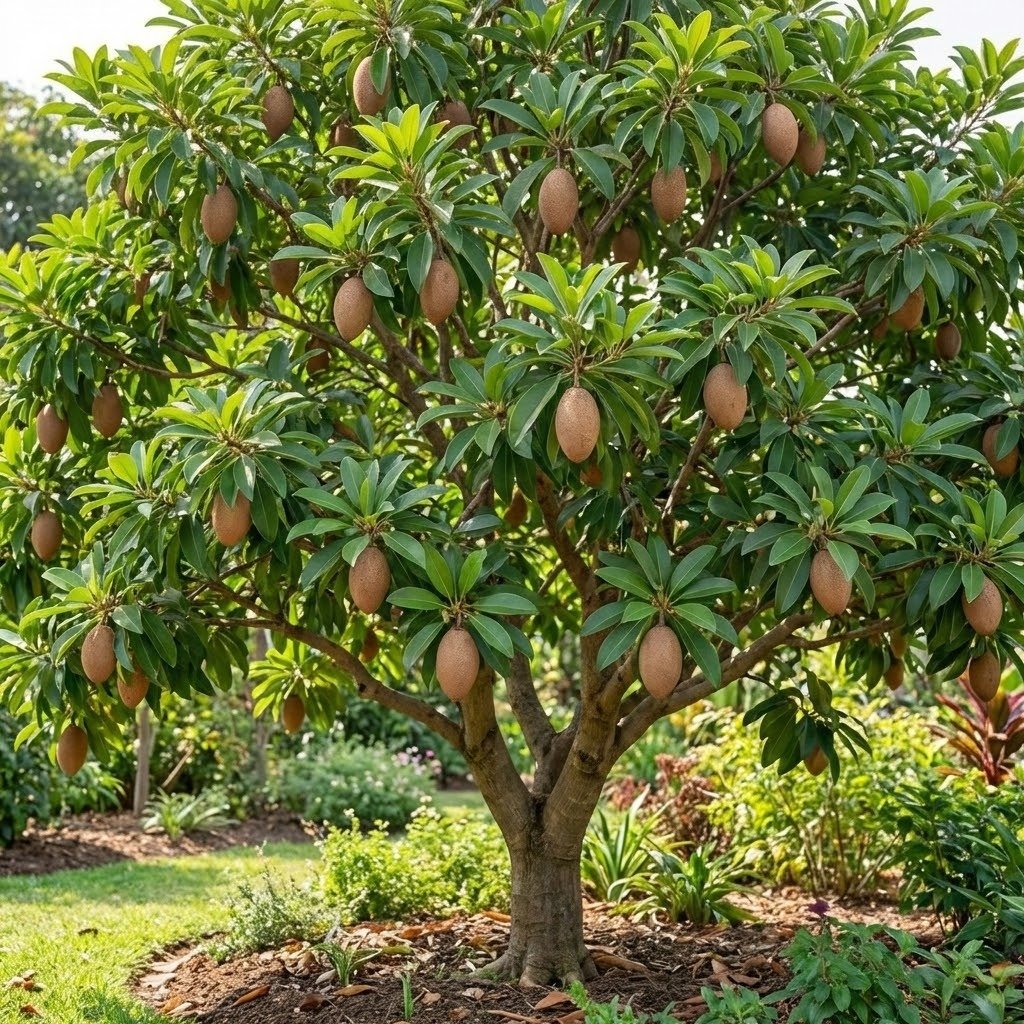
Ultimate Guide to Choosing & Caring for Healthy Plants from Botanical Nursery
Plants bring life, color, and cleaner air into your home — but choosing the right plant and caring for it properly makes all the difference. At Botanical Nursery, we help beginners and seasoned gardeners select healthy plants and keep them thriving. This guide covers the best plant picks, how to read plant tags, essential care routines, and troubleshooting common problems.
Why choose plants from Botanical Nursery?
Botanical Nursery specializes in healthy, well-rooted plants grown and inspected by experts. Buying from a trusted nursery means:
-
Better acclimatized plants (less shock after bringing them home).
-
Clear care instructions and variety choices.
-
Access to plant-care advice, fertilizers, and potting mixes tailored for each species.
How to pick the right plant for your space
-
Assess light conditions — Check whether your spot is bright direct, bright indirect, or low light.
-
Match the plant to the environment — Succulents and cacti for bright, dry spots; ferns and snake plants for lower light/higher humidity.
-
Consider maintenance time — Some plants are low-maintenance (ZZ plant, pothos); others need weekly attention (tropical ferns).
-
Check the plant’s health at purchase — Look for firm stems, bright leaves, no wilting, and healthy roots (if visible).
Top 7 beginner-friendly plants from Botanical Nursery
-
Pothos (Epipremnum aureum) — Thrives in low light, forgiving of missed watering.
-
Snake Plant (Sansevieria) — Extremely hardy, great for bedrooms.
-
Spider Plant (Chlorophytum comosum) — Easy to propagate, tolerant of variable conditions.
-
ZZ Plant (Zamioculcas zamiifolia) — Low water needs, ideal for busy people.
-
Peace Lily (Spathiphyllum) — Air-purifying, flowers indoors with moderate light.
-
Philodendron (various spp.) — Stylish trailing plants for shelves.
-
Succulents & Cacti — Perfect for sunny windowsills and low water schedules.
Essential plant-care routine
-
Watering: Water deeply but infrequently. Check soil moisture with your finger — water when top 2–3 cm are dry for most houseplants.
-
Light: Rotate pots every week so plants grow evenly. Match species to light levels (see plant tag).
-
Soil & repotting: Use a free-draining potting mix. Repot to the next size up when roots circle the pot or the plant becomes rootbound.
-
Feeding: Feed monthly during growing season with a balanced liquid fertilizer at half strength.
-
Cleaning: Wipe leaves periodically to improve photosynthesis and check for pests.
Common problems & quick fixes
-
Yellowing leaves: Often overwatering — reduce watering and check drainage.
-
Brown leaf tips: Could be low humidity or salt buildup — flush soil and increase humidity.
-
Pests (aphids, spider mites): Isolate the plant; wipe leaves and treat with insecticidal soap or neem oil.
-
Leggy growth: Not enough light — move plant closer to a window or supplement with grow light.
How Botanical Nursery helps you succeed
-
Detailed plant tags and care cards with every plant purchase.
-
Starter packs (soil, fertilizer, care guide) for new plant parents.
-
Expert support: contact us for plant-specific troubleshooting.
Quick checklist before you buy
-
Measure your space and light levels.
-
Pick plants by maintenance level.
-
Inspect the plant in-store or request clear photos for online purchases.
-
Ask for a care card and potting mix recommendation.
FAQs
Q: How often should I repot my houseplant?
A: Typically every 12–24 months — sooner for fast growers or when rootbound.
Q: Can I keep outdoor plants inside during winter?
A: Only if they tolerate lower light and indoor humidity; gradually acclimate them to indoor conditions.
Q: What’s the easiest plant to propagate?
A: Pothos and spider plant pups are among the easiest for beginners