

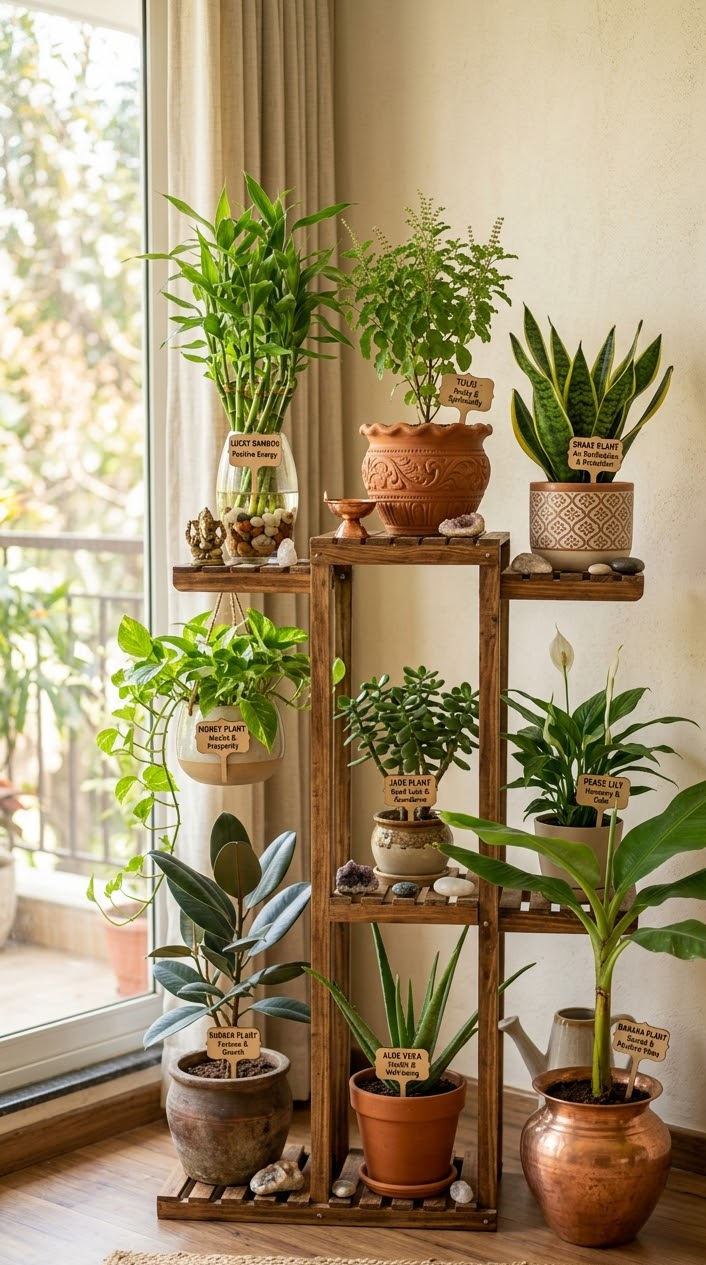
Vastu Shastra, the ancient Indian science of architecture and spatial harmony, has guided the design and arrangement of homes for thousands of years. One of its most accessible and beautiful practices involves the strategic placement of plants. Choosing the best Vastu Shastra plant for home is not merely an aesthetic decision — it is a conscious step toward inviting prosperity, health, and positive energy into your living space. Whether you are redesigning your home or simply adding a touch of greenery, understanding the role of Vastu plants can make a profound difference in the energy you cultivate daily.
Why Plants Matter in Vastu Shastra
In Vastu Shastra, every living element in a home carries energy — prana — that influences the well-being of its inhabitants. Plants, as living organisms, are powerful conduits of this energy. They purify the air, absorb negative vibrations, and emit oxygen, creating an atmosphere that supports mental clarity, emotional balance, and physical wellness. However, not all plants are considered equally beneficial. The type of plant, its shape, its growth pattern, and most importantly its placement — all play a crucial role in determining whether it enhances or disrupts the energy flow in your home.
The ancient texts of Vastu emphasize that plants for positive energy in Vastu should have soft, rounded leaves, upward growth patterns, and vibrant colours. Thorny or milky plants, when placed inside the home, are generally discouraged as they are believed to create conflict and restlessness.
Top Vastu Shastra Plants for Your Home
1. Tulsi (Holy Basil) — The Sacred Purifier
If there is one universally accepted best Vastu Shastra plant for home in Indian tradition, it is the Tulsi plant. Revered in Hindu culture and validated by Ayurveda, Tulsi is believed to radiate divine energy that wards off negativity and illness. Vastu recommends placing Tulsi in the north, northeast, or east direction of the home, ideally on a raised platform. It is one of the most potent Vastu plants for drawing in spiritual energy and purifying the environment, both physically and metaphysically.
2. Money Plant (Epipremnum Aureum) — The Wealth Attractor
A favourite among indoor Vastu plants, the money plant is associated with financial prosperity and emotional stability. According to Vastu Shastra, placing a money plant in the southeast corner of your home — the zone governed by Venus and wealth — can stimulate abundance and reduce financial stress. It thrives indoors, requires minimal maintenance, and is a perfect example of how the best Vastu plants for home blend practicality with purpose.
3. Bamboo Plant — The Symbol of Good Fortune
Lucky bamboo, particularly in arrangements of 2, 3, or 8 stalks, is among the most popular Vastu compliant plants for modern homes. Associated with the five elements — earth, water, fire, wood, and metal — bamboo represents balance and resilience. Vastu experts suggest placing it in the east or southeast direction. Its upward growth symbolises progress and ambition, making it an ideal addition to home offices and living rooms.
4. Jasmine — The Bringer of Harmony
Jasmine carries a gentle, calming fragrance that is said to soothe anxiety and strengthen relationships. As one of the recommended plants for positive energy in Vastu, it should be placed near a south-facing window or balcony. Its sweet scent creates a serene atmosphere, particularly in bedrooms and meditation spaces, where emotional restoration is needed most.
5. Neem Tree — The Natural Shield
Though more suited for gardens and outdoor spaces, the Neem tree holds a place of high reverence in Vastu Shastra. It is considered a natural protector, shielding the home from negative energies and disease-causing bacteria. Vastu recommends planting a Neem tree in the northwest direction of the property. Its medicinal properties further affirm its status among the best Vastu plants for home environments with a garden or courtyard.
6. Peace Lily — The Cleanser of Spaces
For those seeking indoor Vastu plants that are both elegant and energetically powerful, the Peace Lily is an excellent choice. It cleanses the air of toxins and is believed to bring peace, clarity, and spiritual harmony into the home. Vastu suggests placing it in areas prone to stress — such as study rooms or home offices — in the northeast or east corner for maximum benefit.
Placement Guidelines: Where to Put Your Vastu Plants
Correct placement is as vital as the choice of plant itself. Here are some general Vastu guidelines:
- North and Northeast: Ideal for light, low-growing plants like Tulsi and Peace Lily. These directions are governed by water elements and spiritual energies.
- East: Suited for plants that receive morning sunlight, such as Jasmine and Aloe Vera.
- Southeast: The zone of fire and wealth — perfect for Money Plant and Bamboo.
- Northwest: Suitable for plants that manage movement and change, like Neem.
Always avoid placing large trees or thorny plants like cacti inside the home, as Vastu Shastra cautions that these can disrupt energy flow and create emotional turbulence among family members.
Common Mistakes to Avoid
Even the best Vastu Shastra plant for home can have a negative impact if neglected or misplaced. Dried, withering, or dying plants are considered inauspicious and should be removed immediately. Plastic or artificial plants, while aesthetically appealing, offer none of the energetic benefits of living Vastu plants and are generally discouraged in Vastu practice.
Additionally, avoid overcrowding plants in one area, as this can block natural light and airflow — both of which are essential for maintaining a balanced Vastu environment.
Conclusion
Integrating the right greenery into your home is one of the simplest and most rewarding ways to align your living space with the principles of Vastu Shastra. From the sacred Tulsi to the fortune-drawing Money Plant, choosing the best Vastu Shastra plant for home is an investment in your family’s harmony, health, and happiness. By honouring the wisdom of Vastu through mindful plant placement, you create a home that does not just look beautiful — it feels alive, balanced, and deeply nourishing.
Let nature be your partner in building a home full of light, love, and positive energy.